Recovery Spa for Athletic Performance: How to Choose One

Last Updated: November 5, 2026
Quick Summary
To choose a recovery spa for athletic performance, start with your recovery goal rather than the menu, then match the treatment to it: cold water, compression and massage for muscle soreness, heat and buoyancy for joint stiffness, float therapy and infrared sauna for sleep and stress. Before booking, ask about health screening, contraindications, cleaning schedules, staff training and whether the facility tracks progress with objective measures.
A recovery spa uses hydrotherapy, cryotherapy, infrared heat and compression to help your body bounce back from training.
USA Track & Field notes a cold water immersion range of 8-15 degrees Celsius, and colder water does not appear to add benefit.
Ask how long a session is, the actual temperature range, and whether there is a cool-down area to rehydrate.
Walk away from facilities with no health screening, staff who cannot name contraindications, or pressure to book a package before trying one visit.
FloatWell accepts HSA cards for treatments and bills MVA insurance for car accident recovery.
Table of Contents
Start With Your Recovery Goal, Not the Menu
The right recovery spa for athletic performance starts with one question: what are you trying to fix? Most athletes walk into a spa and pick whatever sounds relaxing. That is backwards. A recovery spa is a facility that uses treatments like hydrotherapy, cryotherapy, infrared heat and compression to help your body bounce back from training and physical exertion. Athletes often book the wrong service for weeks before realizing a sauna was never going to solve their muscle soreness.
Your goal decides the treatment:
Muscle soreness and DOMS: cold water, compression, massage
Joint stiffness and range of motion: heat, buoyancy, active recovery
Sleep and stress: float therapy, infrared sauna
Injury rehab: ask about clinical oversight before you book
A 2024 systematic review of recovery strategies found that the type of recovery matters less than matching it to the athlete's actual need (systematic review on recovery strategies). So define your goal first. The menu comes second.
Recovery Treatments for Athletes: What Each Modality Does
Each recovery treatment for athletes works on a different system. Knowing the difference saves you money and time.

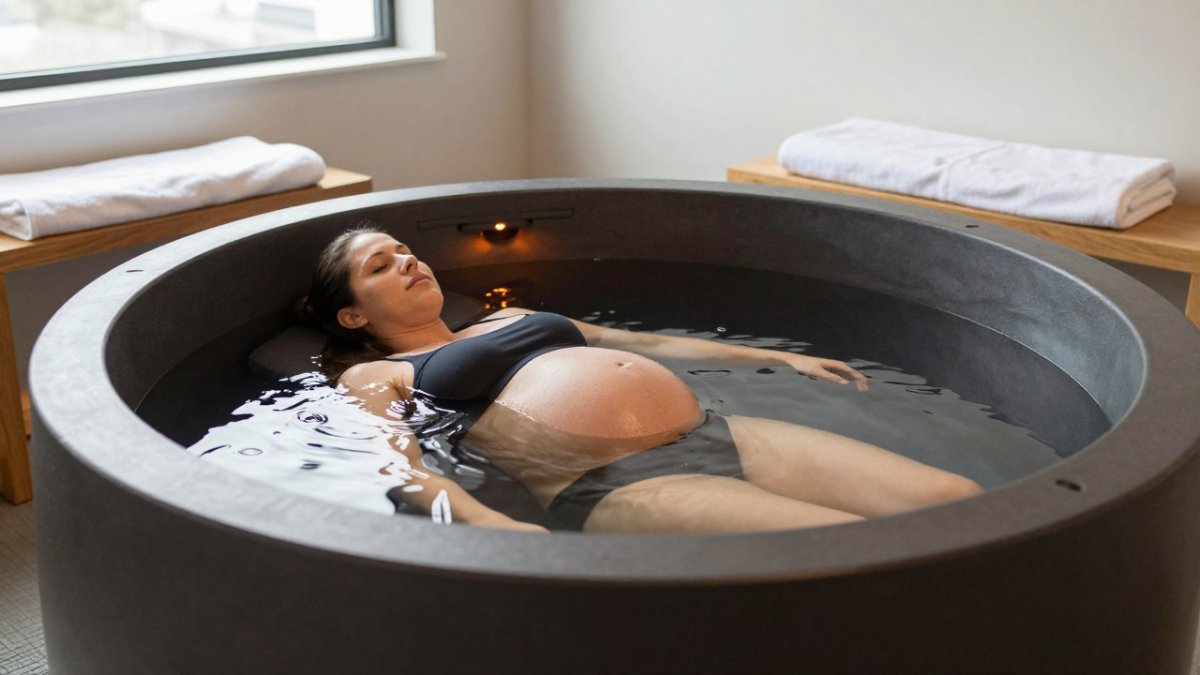
Hydrotherapy uses water for circulatory support and joint decompression. Float therapy is a form of sensory deprivation where you lie in a shallow pool of Epsom-salt water, which eases muscle tension and supports recovery.
Hydrotherapy, Float Therapy, and Contrast Work
Warm water raises blood flow and helps vasodilation. Cold water constricts vessels and may reduce inflammation. Contrast therapy alternates the two.
Float therapy adds buoyancy. You can float in a sensory deprivation pod for a session at FloatWell.
A student case study on one Brazilian jiu-jitsu athlete described increased range of motion after targeted massage work, though it reported no numerical measurement (student case study on athletic performance). That is a reminder to treat single cases as signals, not proof.
Cryotherapy, Infrared Heat, and Light Therapy
Cold therapy is commonly used for muscle soreness, while heat is commonly used by athletes seeking to ease tightness. For a closer look, read the evidence on whole-body cryotherapy for athletes.
Temperature matters. USA Track & Field notes a cold water immersion range of 8-15 degrees Celsius, and colder water does not appear to add benefit (USA Track & Field on recovery strategies(https://usatf.org/campus/articles/2026/do-trendy-recovery-strategies-really-work-what-ath)). We offer whole-body cryotherapy for athletes who want a short, cold exposure without an ice bath.
Red light therapy is a separate tool. Ask what protocol a facility follows before you commit.
Sauna vs. Hot Tub for Muscle Recovery: Which Fits Your Body
Sauna vs. hot tub for muscle recovery comes down to pressure, posture and how much heat load your body can take. A hot tub surrounds you in warm water, which adds buoyancy and takes load off joints. A sauna uses dry or infrared heat, so you sit upright and sweat without water pressure. The two stress the body differently, and that difference should drive your choice. While heat modalities focus on blood flow and relaxation, the physiological response shifts significantly when comparing a sauna vs ice bath for managing systemic inflammation.
What each one actually does:
Hot tub (warm-water immersion): Hydrostatic pressure and buoyancy are properties of warm-water immersion that many people find relaxing.
Traditional sauna: Heats the air to a high temperature and produces a strong sweat response.
Infrared sauna: Heats the body directly with radiant panels rather than the air, so the room stays cooler.
Consider a hot tub if:
Your knees, hips or back feel compressed after training
You want passive heat with less joint load
You are recovering from a high-volume running or jumping day and want to unload the lower body
Choose the sauna if:
You want heat without getting wet
You are managing muscle tension and stress
You want a session you can pair with cold exposure
Sequencing heat and cold. Athletes often combine heat and cold sessions, and a qualified professional can advise on timing for your situation.
Match the modality to your sport. The best choice depends on your training load, sport, and goals; a qualified professional can help you decide.
A hot tub or sauna is not a substitute for sleep and fueling.
If you are weighing heat against cold, you can learn more about combining cryotherapy and infrared sauna.
Infrared Sauna for Athletes: What to Ask Before You Book
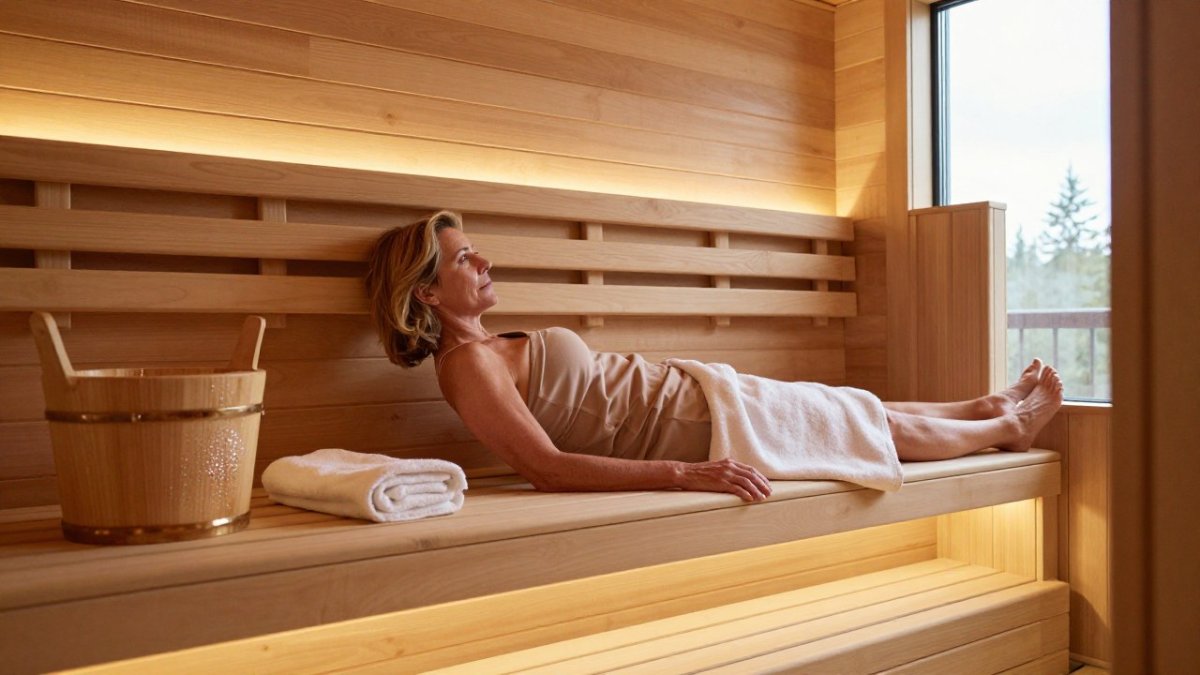
Infrared sauna for athletes heats the body directly with radiant panels rather than heating the air around it, which results in a lower room temperature.
Ask these before booking:
How long is a session? Confirm the time and whether staff adjust it for you.
What is the temperature? Get the actual range from the facility.
Is there a cool-down area? You want somewhere to sit and rehydrate.
Who monitors the room? Someone should check on you.
How is the cabin cleaned? Ask about the cleaning schedule between clients.
What is the hydration policy? Water before and after matters more than most athletes expect.
Consider your recovery data when deciding when to go. Talk with a qualified professional about how wearable data, such as sleep and heart rate trends, should factor into your schedule.
Know when to skip it. Ask the facility how they screen for situations where a session may not be appropriate, such as acute injury, swelling, dehydration, or illness, before your first visit.
If you want to see the setup first, you can review the infrared sauna sessions.
Your Athlete Recovery Spa Checklist: 8 Questions to Ask
Use this athlete recovery spa checklist before you hand over a card. The answers tell you more than any brochure.
# | Question | What a Good Answer Sounds Like |
1 | Who assesses me first? | A staff member reviews goals and health history |
2 | What are the contraindications? | Clear list, plus a screening form |
3 | How is equipment cleaned? | A stated schedule between clients |
4 | What training does staff have? | Named certifications and protocols |
5 | Do you track progress? | Movement or strength measures, not just feedback |
6 | What does a session include? | Time, guidance, and cool-down explained |
7 | Can I combine services? | A clear order and spacing recommendation |
8 | How do I pay? | Payment options stated up front |
Question five matters most. A 2026 piece on choosing a performance provider recommends facilities that use objective measures like movement pattern assessments and strength testing rather than relying only on how you say you feel (guidance on choosing a performance provider(https://theptproject.net/2026/01/22/how-to-choose-the-right-performance-running-provider-in-salem/)). Subjective feedback is easy to give. Data is harder to fake.
Red Flags, Contraindications, and Safety Protocols
Most guides skip this part. We think it is the most important section on the page.
Red flags to walk away from:
No health screening before your first session
Staff who cannot name contraindications
No cleaning schedule you can see or ask about
Pressure to book a package before you try one visit
Claims that a treatment cures or guarantees results
Contraindications to raise with staff and your doctor:
Pregnancy
Heart or blood pressure conditions
Uncontrolled seizures
Open wounds or active infection
Recent surgery
Sensitivity to heat or cold
The BASES expert statement makes a point worth repeating: not every athlete needs a recovery intervention, and the first question is whether recovery can happen without one (EXTERNAL_LINK: BASES expert statement on recovery | https://www.bases.org.uk/). Ask a facility how they decide. The good ones will tell you when to skip a service.
Recovery also depends on basics. A 2026 research topic in Frontiers in Sports and Active Living stresses that recovery works best when paired with sleep hygiene and tracked performance, not as a standalone fix (Frontiers research on recovery and performance(https://www.frontiersin.org/journals/sports-and-active-living/articles/10.3389/fspor.2026.1848719/full)).
Book Your First Recovery Session at FloatWell
Choosing a recovery spa takes one honest goal, one checklist and a few direct questions. Do that, and you will avoid paying for treatments that never fit your training.
FloatWell is a whole-body wellness spa built around recovery. We accept HSA cards for treatments and bill MVA insurance for car accident recovery. Our services include float therapy, cryotherapy, infrared saunas and red light therapy, so you can build a recovery plan around your goal instead of a menu.
Get started with FloatWell and book an appointment that matches your training, not your guesswork.
Frequently Asked Questions
What are the best recovery treatments for athletes?
There is no single best treatment. Many athletes find it helpful to match the modality to their goal, such as cold water immersion for soreness or heat for relaxation. Choose a recovery spa that assesses your needs first.
What's better for muscle recovery, sauna or hot tub?
It depends on what you want. A hot tub involves warm water immersion, and an infrared sauna delivers dry heat without immersion. Many athletes alternate heat and cold, and you can ask the facility how they guide that sequence.
How do I choose a recovery spa for athletic performance?
Start with your goal, then verify the facility. Ask about hygiene and maintenance standards, contraindications, and safety protocols, and check payment options before you book. Ask how sessions can fit into your training plan.
What should I ask before booking a recovery spa session?
Ask what contraindications apply to your health history, how equipment is cleaned and maintained, and how sessions fit into your training week. If a facility cannot answer these questions clearly, keep looking.
Comments