MVA Insurance Physical Therapy in Vancouver, WA

Updated: Sep 16
Table of Contents
Understanding MVA Insurance Physical Therapy Coverage
How PIP Insurance Physical Therapy Coverage Works
Auto Accident Injury Recovery: What to Expect
How to File an MVA Insurance Claim for Therapy
Physical Therapy Providers Accepting MVA Insurance
Specialized Hand Therapy and MVA Recovery
Direct Access Physical Therapy Without Referral
Flexible Treatment Options and Payment Plans
Complementary Recovery Services: Beyond Traditional Physical Therapy
Choosing the Right Recovery Path for Your MVA Injury
Conclusion
Last Updated: August 30, 2026
Understanding MVA Insurance Physical Therapy Coverage
Motor vehicle accidents cause whiplash, soft tissue injuries, and musculoskeletal damage that can linger for months without proper treatment. If you've been in a car accident, your insurance likely covers physical therapy through Personal Injury Protection (PIP) or medical payments coverage.
FloatWell, a wellness spa in Vancouver, WA, recognizes that MVA recovery involves more than traditional physical therapy alone. While physical therapy addresses structural injuries, complementary therapies like float therapy, cryotherapy, and infrared saunas support whole-body healing. Many accident survivors find that combining clinical rehabilitation with recovery-focused wellness services accelerates their return to normal function.
This guide covers MVA insurance physical therapy options available locally, explains how PIP coverage works, and shows you how to navigate the claims process.
How PIP Insurance Physical Therapy Coverage Works
Personal Injury Protection (PIP) pays for your medical care after a car accident, regardless of who caused the collision. PIP covers physical therapy services when deemed medically necessary, including evaluation, treatment planning, manual therapy, therapeutic exercises, and functional assessments.
PIP has limits. Most policies cover between $2,500 and $10,000 in medical expenses (iii.org). Physical therapy sessions, diagnostic imaging, and other accident-related care all draw from this same pool. Treatment must be directly related to injuries sustained in the accident.
When you seek physical therapy, inform the clinic immediately that you're filing an MVA claim. Most providers handle insurance verification and billing directly, confirm your coverage limits, and alert you if you're approaching your cap.
Auto Accident Injury Recovery: What to Expect

Recovery timelines vary by injury severity. Mild whiplash might resolve in 6-8 weeks; serious soft tissue injuries or herniated discs can require 3-6 months or longer (peer-reviewed research).
Your physical therapist will perform a functional evaluation, testing range of motion, strength, pain levels, and movement patterns. This assessment guides your treatment plan. Imaging like X-rays or MRI scans may be ordered to rule out fractures, though these are often covered separately from your PIP physical therapy allocation.
Treatment progresses through phases. Early sessions focus on pain management, reducing inflammation, and restoring basic mobility through manual therapy, stretching, and modalities like ice or heat. As pain decreases, focus shifts to strengthening exercises and functional movement patterns. The final phase emphasizes return-to-work or return-to-sport activities.
Common MVA injuries include whiplash (cervical strain), lower back strain, shoulder impingement, and soft tissue damage to the neck and upper back. Expect 2-3 sessions per week initially, tapering to 1-2 weekly as you progress. Most people see measurable improvement within 3-4 weeks.
How to File an MVA Insurance Claim for Therapy
Start by notifying your insurance company of the accident within the timeframe specified in your policy, usually within 30 days (naic.org). Request a copy of your medical benefits section to understand exactly what's covered.
When you schedule physical therapy, provide your insurance card and policy number. Most providers have staff dedicated to insurance verification. They'll contact your insurer, confirm coverage, and determine how much of your PIP benefit is available.
The clinic will submit claims directly to your insurance company after each session. You'll receive an explanation of benefits (EOB) showing what was billed, what insurance paid, and what you owe. Keep these documents to track your benefit usage.
If your insurance denies a claim, ask the clinic why. Common reasons include: treatment wasn't deemed medically necessary, the provider isn't in-network, or you've exhausted your benefit cap. You have the right to appeal. Out-of-pocket costs depend on your policy, some have co-pays per visit (typically $20-50); others cover physical therapy at 100% until your PIP limit is reached.
Physical Therapy Providers Accepting MVA Insurance
Several providers in the Vancouver area specialize in MVA recovery and accept insurance billing.
1. Therapeutic Associates SW Washington Physical Therapy, Best for Direct Access and Comprehensive Coverage
Therapeutic Associates offers direct access, you can start physical therapy without a physician referral, saving time and money. In Washington, you walk in, get evaluated, and begin treatment immediately. They accept MVA PIP and auto insurance directly, handling all billing. Their clinics in Vancouver, Camas, and Hazel Dell offer back and neck pain treatment, auto accident recovery, and sports rehabilitation.
Best for: Anyone recovering from an accident who wants to start therapy immediately without waiting for a physician referral.
2. Gabbert Clinic, Specialized Hand and Wrist Injury Treatment
If your accident caused elbow, wrist, or hand injuries, Gabbert Clinic's certified hand therapists bring specialized expertise. They accept Personal Injury Protection (PIP) and MedPay insurance claims directly. Treatment combines manual therapy, therapeutic exercises, and pain management tailored to hand and wrist function. Flexible scheduling accommodates working patients.
Best for: Patients with hand, wrist, or elbow injuries from accidents seeking specialized expertise.
3. Vancouver Clinic Physical Therapy, Comprehensive Services with Specialized Options
Vancouver Clinic offers broad physical therapy services tailored to accident recovery. They specialize in hand therapy, pelvic health, balance and vestibular rehabilitation, and Astym treatment for soft tissue recovery. Most insurance carriers require a referral, which adds a step but their comprehensive approach makes it worthwhile for complex injuries.
Best for: Patients needing comprehensive physical therapy with specialized services and who can obtain a physician referral.
4. Physioflow PT, Whiplash Specialization Without Referral
Physioflow PT specializes in whiplash and other MVA-related injuries. Whiplash is the most common car accident injury, involving cervical spine strain and ligament damage. Their therapists provide individualized care focusing on the root cause of dysfunction. No referral is required. They accept all major insurance and provide manual therapy combined with corrective exercises.
Best for: Anyone with whiplash or cervical spine injuries from an accident seeking specialized expertise without referral delays.
5. ATI Physical Therapy (Vancouver NE Fourth Plain Blvd), Flexible Treatment Delivery
ATI offers in-clinic, online, and hybrid physical therapy options. They accept almost all major insurance carriers and assist with insurance verification. For many insurance plans, no prescription or referral is needed. Treatment programs are customized for post-surgical recovery, injury management, and pain relief.
Best for: Patients wanting flexible treatment options (in-person, virtual, or hybrid) with straightforward insurance processing.
6. TrueMotion Physical Therapy, One-on-One Doctor-Led Care
TrueMotion guarantees 60 minutes of one-on-one care with a Doctor of Physical Therapy per session. This intensive, personalized approach addresses muscle injuries, overuse injuries, sports-related injuries, and spine pain with focused attention. Their boutique-style model typically costs more than standard clinics.
Best for: Patients willing to invest in premium one-on-one care with a Doctor of Physical Therapy for faster, more personalized recovery.
7. ProActive Physical Therapy Specialists, Personalized Plans with Insurance Support
ProActive specializes in traumatic injuries, post-operative rehabilitation, and chronic issues from accidents. Their team provides personalized treatment plans designed to reduce long-term medical costs. They assist with insurance claims filing and payment plan setup. Specialty treatments include orthopedic therapy, manual therapy, and post-operative care.
Best for: Patients with traumatic injuries seeking highly personalized care and direct support with insurance and payment logistics.
8. Timberline Physical Therapy, Comprehensive Services with Advanced Modalities
Timberline treats auto accident injuries across Vancouver and Camas. They accept Medicare and all major insurance companies, providing chronic pain management, orthopedic physical therapy, and sports medicine. Advanced modalities like Shock Wave Therapy and Deep Tissue Laser Therapy supplement traditional therapy. They assist with insurance verification and authorization.
Best for: Patients seeking comprehensive physical therapy with access to advanced treatment modalities and broad insurance acceptance.
9. PeaceHealth Southwest Medical Center Physical Therapy, Hospital-Based Comprehensive Care
PeaceHealth offers physical therapy within a hospital setting, providing post-motor vehicle collision rehabilitation alongside post-surgical and pelvic floor services. All visits are scheduled with a licensed therapy professional for a minimum of 45 minutes. More than 50% of their therapists hold Clinical Specialist certifications. The hospital setting allows integration with other medical services if your accident required emergency care or surgery.
Best for: Patients whose accidents required hospital care or surgery, seeking integrated rehabilitation within a medical center environment.
Specialized Hand Therapy and MVA Recovery
Hand and wrist injuries occur frequently in motor vehicle accidents when drivers instinctively brace for impact. This can cause fractures, ligament sprains, tendon injuries, or complex soft tissue damage.
Specialized hand therapists use advanced techniques to restore function through manual therapy to restore joint mobility, therapeutic exercises to rebuild strength, and functional training to return to work and daily activities. Gabbert Clinic and Vancouver Clinic both offer certified hand therapy. Seeking a hand specialist rather than a general physical therapist typically produces faster, more complete recovery.
Direct Access Physical Therapy Without Referral
Washington state allows direct access to physical therapy without a physician referral. This eliminates delays, you can schedule with a physical therapist immediately after your accident and begin treatment within days. Early intervention produces better long-term outcomes.
Most MVA-focused providers in Vancouver honor direct access, including Therapeutic Associates, Physioflow PT, and ATI Physical Therapy. Verify this when you call, as some clinics still require referrals despite legal permission to offer direct access.
Flexible Treatment Options and Payment Plans
Physical therapy for accident recovery can strain finances, even with insurance coverage. Several local providers offer flexible arrangements.
Payment plans allow you to spread co-pays or out-of-pocket costs over time rather than paying in full at each visit. ProActive Physical Therapy Specialists and others explicitly offer this option. HSA and FSA cards are accepted by most providers, allowing you to use pre-tax dollars for therapy.

Complementary Recovery Services: Beyond Traditional Physical Therapy
Physical therapy addresses structural injuries and movement dysfunction. But accident recovery involves pain management, inflammation reduction, stress relief, and nervous system regulation, all of which accelerate healing.
Float therapy, immersion in a salt-water tank, reduces muscle tension and inflammation while activating the parasympathetic nervous system. The weightlessness eases pain without medication, particularly effective for neck and shoulder tension from whiplash.
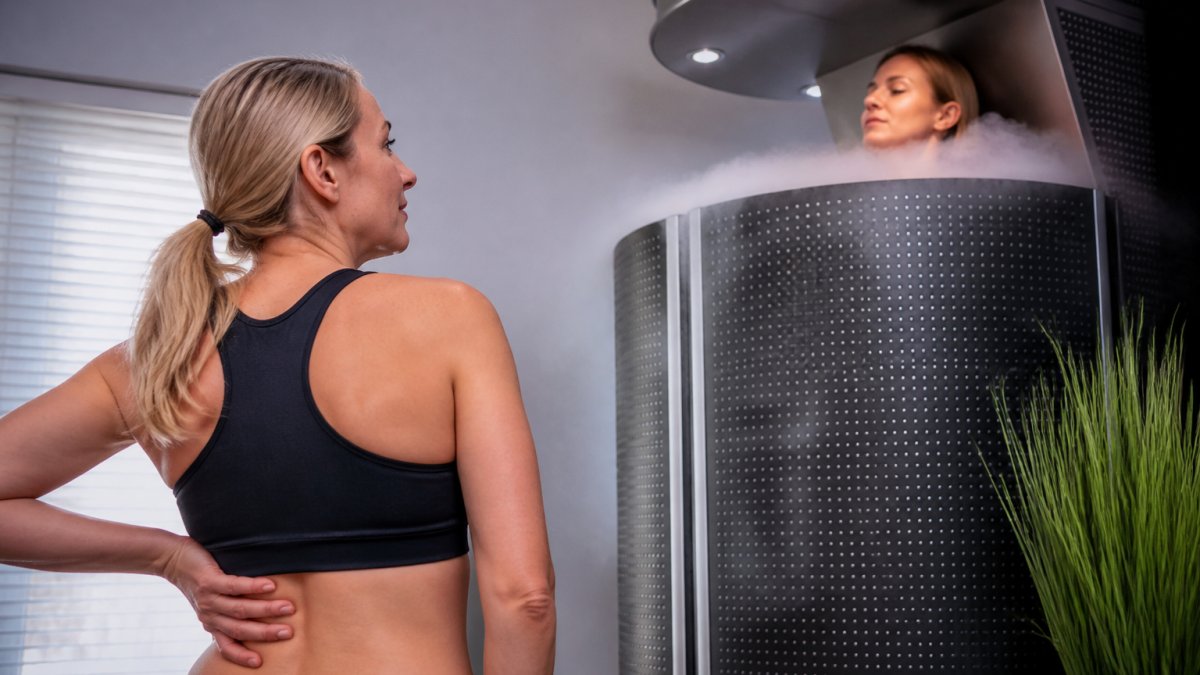
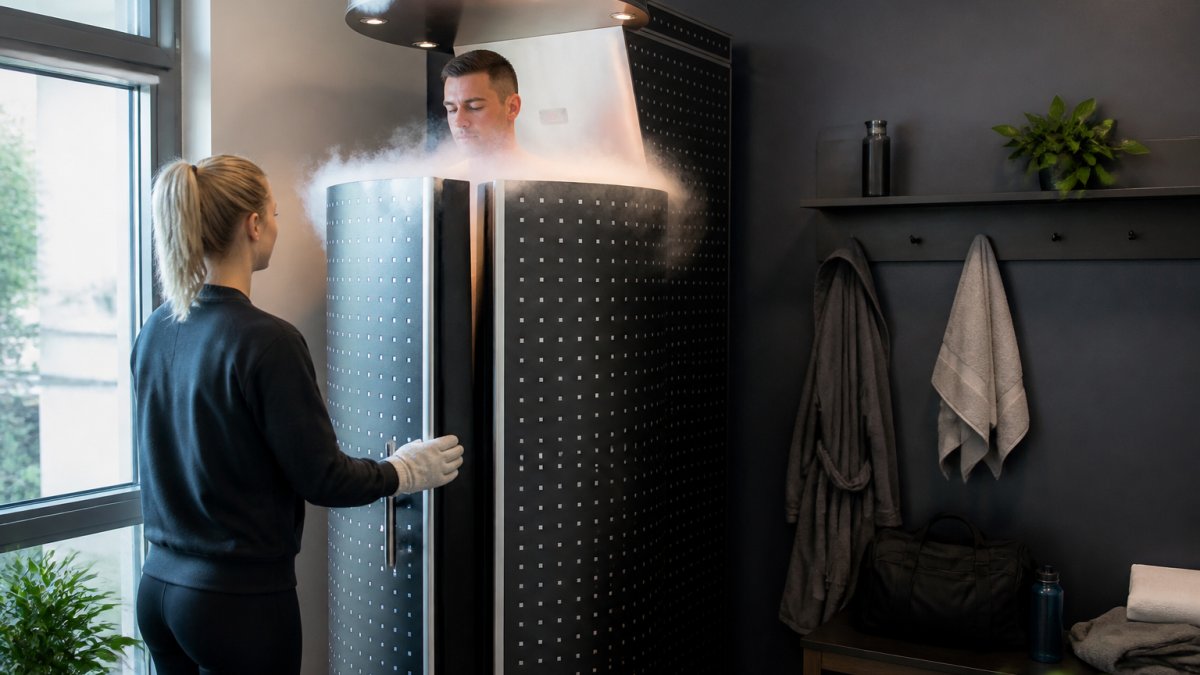
Cryotherapy exposes the body to extremely cold temperatures for 2-3 minutes, reducing inflammation and muscle soreness during the acute recovery phase. Red light therapy stimulates cellular repair and reduces pain through photobiomodulation. Infrared saunas promote circulation and detoxification while relieving muscle tension.
FloatWell combines these modalities in one facility, offering accident survivors a comprehensive approach to MVA recovery. Your physical therapist addresses movement dysfunction and strength; complementary therapies support pain management, inflammation reduction, and nervous system regulation. This integrated approach often produces faster, more complete recovery than either approach alone.
Choosing the Right Recovery Path for Your MVA Injury
Selecting the right provider depends on your injury type, insurance coverage, and recovery goals.
For acute injuries requiring immediate care: Choose a provider offering direct access, like Therapeutic Associates or Physioflow PT.
For whiplash or cervical spine injuries: Physioflow PT's specialization makes them the logical choice.
For hand or wrist injuries: Gabbert Clinic's certified hand therapists provide expertise that general physical therapists can't match.
For complex or multi-system injuries: Vancouver Clinic or PeaceHealth offer comprehensive services with specialized options.
For flexible treatment delivery: ATI Physical Therapy's in-clinic, online, and hybrid options accommodate busy schedules.
For premium, personalized care: TrueMotion's one-on-one model guarantees undivided professional attention.
For integrated recovery: FloatWell's combination of physical therapy referral pathways and complementary wellness services creates a comprehensive recovery ecosystem.
Before committing to any provider, confirm they accept your MVA insurance, can verify your coverage limits, and have availability matching your schedule. Call at least two providers to compare.
Recovering from a motor vehicle accident requires targeted, evidence-based treatment addressing both the injury itself and the systemic stress your body experiences. Physical therapy handles structural rehabilitation. Complementary services like float therapy, cryotherapy, and infrared saunas support nervous system recovery and pain management. At FloatWell, we understand that complete MVA recovery integrates clinical care with whole-body wellness support. Our facility accepts MVA insurance and HSA cards, making comprehensive recovery accessible. Book an appointment with FloatWell today to begin your recovery journey with evidence-based therapies designed specifically for accident survivors.
Frequently Asked Questions
Will my MVA insurance physical therapy coverage include complementary treatments like float therapy or cryotherapy?
Most auto insurance policies cover medically necessary physical therapy through your Personal Injury Protection (PIP) coverage. However, coverage for complementary wellness services like float therapy or cryotherapy varies by policy. Some insurers may cover these if prescribed as part of your rehabilitation plan, while others classify them as non-medical wellness services. Contact your insurance provider to confirm what your specific policy covers. Many patients use HSA cards or out-of-pocket payments for complementary therapies alongside their insurance-covered physical therapy.
What documentation do I need to file an MVA insurance claim for therapy?
When filing an MVA insurance claim for therapy, you'll typically need your police report number, proof of the accident, medical records showing your injuries, a treatment plan from your healthcare provider, and itemized billing from your therapy clinic. Your therapist's office can often assist with gathering these documents and submitting claims directly to your insurance company. Having organized documentation speeds up the claims process and helps prevent delays in coverage approval.
How long does auto accident injury recovery typically take with physical therapy?
Recovery timelines vary widely depending on the severity of your injuries, your age, and your commitment to treatment. Minor soft tissue injuries like whiplash may show improvement in 4-6 weeks, while more complex injuries can require 3-6 months or longer of consistent physical therapy. Your therapist will develop a personalized treatment plan with realistic milestones. Regular attendance and following home exercise recommendations significantly impact recovery speed. Most patients begin noticing functional improvements within the first 2-3 weeks of consistent therapy.
Do I need a doctor's referral to start physical therapy for my MVA injury in Washington?
Washington state allows direct access to physical therapy, meaning you can begin treatment without a physician referral for many insurance plans. This allows you to start recovery faster after an accident. However, some insurance policies may still require a referral, so check with your specific carrier before scheduling. Even without a required referral, it's beneficial to inform your primary care doctor about your therapy so your medical records stay coordinated across providers.
Book an Appointment
This article was written using GrandRanker

Comments