Cold Water Therapy and Body Inflammation: What the Evidence Shows

Table of Contents
What Cold Water Therapy Actually Does to Inflammation
Cold Water Immersion and Inflammation: The Physiological Response
Cold Water Therapy for Muscle Soreness and Swelling
How Long to Stay in an Ice Bath for Maximum Benefit
Cold Plunge Safety: Who Should Avoid Cold Water Therapy
Cold Therapy Versus Heat Therapy: When to Use Each
When Cold Water Therapy Helps Your Recovery
Frequently Asked Questions
Last Updated: October 10, 2026
What Cold Water Therapy Actually Does to Inflammation
Cold water therapy inflammation management works through vasoconstriction, your blood vessels narrow, reducing blood flow to the affected area and producing temporary relief from pain and swelling. (Source: a 2020 systematic review)
Many people confuse temporary symptom relief with reducing systemic inflammation. Cold water therapy excels at managing localized swelling and pain, but whether it reduces whole-body inflammatory markers is unclear.
At FloatWell, we help clients understand this distinction. Cold water immersion delivers real results for specific situations, but it's not a cure-all for inflammation.
Pro Tip The timing matters more than most people realize. Cold water therapy works best when applied within the first 48 hours after an injury or intense workout. After that window closes, the benefits shift.
Cold Water Immersion and Inflammation: The Physiological Response
Immediate vascular response: Vasoconstriction

When you enter cold water, your blood vessels constrict almost immediately, reducing heat loss and preserving core temperature. In the affected area, a sprained ankle, sore muscles, or inflamed joint, reduced blood flow means less fluid accumulation, and swelling visibly decreases within minutes.
This response is temporary and localized. As your core temperature stabilizes, blood vessels gradually dilate again, which is why a single cold water session produces short-term relief, not lasting change.
Pain perception versus tissue healing
Cold also numbs nerve endings, slowing pain signals. Your perception of pain decreases even though the underlying tissue damage remains unchanged. This is valuable for managing acute discomfort, but it is not the same as healing the injury.
This distinction matters because many people interpret reduced pain as reduced inflammation. Pain is a symptom; inflammation is a biological process. Cold water therapy manages the symptom, but whether it meaningfully changes the underlying inflammatory process is unclear.
Short-term swelling reduction versus systemic inflammation
What cold water therapy demonstrably does:
Reduces localized swelling and fluid accumulation in the first 48 hours after injury or intense exercise
Decreases pain perception through nerve numbing
Temporarily reduces blood flow to the affected area
What the evidence does NOT clearly show:
Reduction in systemic inflammatory markers (cytokines, C-reactive protein, interleukins) throughout the body
Long-term improvement in healing outcomes compared to rest, compression, or other modalities
Prevention of the normal inflammatory response needed for tissue repair
A 2020 systematic review found that while pain and soreness decreased after cold water immersion, evidence for improved performance or faster return to activity was inconsistent. Studies measuring inflammatory markers often use small sample sizes or lack control groups, making direct comparison difficult.
The adaptation problem
Your body adapts to cold exposure. Repeated immersions within 24-48 hours produce progressively weaker responses, which is why practitioners recommend limiting use to 2-3 sessions per week.
Inflammation is necessary for healing
Inflammation is not the enemy, it's how your body repairs tissue. Excessive inflammation causes pain and limits movement, but mild-to-moderate inflammation is part of normal healing.
Aggressive cold exposure may slow healing in some cases. This is why many athletes now use contrast therapy (alternating cold and heat) instead of cold alone, combining swelling reduction with restored blood flow for repair.
Watch Out Extended or repeated cold exposure can delay healing. If you stay in cold water too long or use it too frequently, you may suppress the blood flow and inflammatory response needed for tissue repair. Cold water therapy is most effective in the first 48 hours after injury, applied 2-3 times per week, for 10-15 minutes per session. Beyond this, you risk diminishing returns and potential interference with the healing process.
What the evidence actually supports
Cold water immersion is evidence-supported for:
Temporary pain relief in acute injuries (first 48 hours)
Reduction in localized swelling and fluid accumulation
Management of delayed-onset muscle soreness (DOMS) after intense exercise
Improved subjective comfort and faster return to activity in some athletes
Cold water immersion is NOT clearly evidence-supported for:
Reducing systemic inflammation throughout the body
Improving long-term healing outcomes compared to other modalities
Preventing the normal inflammatory response needed for adaptation and repair
Treating chronic pain conditions or systemic inflammatory diseases
The bottom line: Cold water therapy inflammation control is a symptom-management tool, not an inflammation-reduction therapy in the systemic sense. It works best for acute, localized problems in the first 48 hours.
Cold Water Therapy for Muscle Soreness and Swelling
Muscle soreness peaks 24-48 hours after intense exercise (DOMS). Cold water therapy reduces pain during this window, though inflammation is part of the repair process.
Athletes use cold water immersion to manage post-workout soreness and return to training sooner, though it doesn't eliminate underlying muscle damage.
How Long to Stay in an Ice Bath for Maximum Benefit
Most research on cold water therapy uses protocols between 5 and 15 minutes at temperatures ranging from 50°F to 59°F, though the "best" duration varies by outcome.
Duration and physiological response
Peak vasoconstriction typically occurs around 5-10 minutes of immersion. Sessions beyond 15 minutes may produce diminishing returns while increasing the risk of cold shock response, a sudden gasp reflex that can occur when entering very cold water.
Most evidence supports 10-12 minutes at 50-55°F for acute pain and swelling management, though shorter sessions (5-10 minutes) still produce measurable benefits in the first 48 hours.
Temperature matters more than many realize
Water temperature directly affects the speed and intensity of vasoconstriction. At 50°F, vasoconstriction is rapid and pronounced. At 59°F, the response is slower but still measurable.
The relationship between temperature and duration is inverse: colder water requires shorter sessions to achieve the same physiological effect with lower risk. Warmer cold water (closer to 59°F) allows longer, safer sessions for beginners.
Frequency and adaptation
Your body adapts to cold exposure. Repeated immersion within 24-48 hours produces less vasoconstriction than the first exposure.
For acute injuries, the timing window is critical. Cold therapy is most effective within the first 48 hours. After that, the acute inflammatory phase naturally resolves, and cold becomes less beneficial.
Practical protocol for different experience levels
Beginners (first 1-2 weeks): Start with 5 minutes at 59°F or warmer. This allows your nervous system to acclimate without triggering cold shock. Gradually lower temperature by 1-2°F per session if tolerated.
Intermediate (weeks 2-4): Progress to 8-10 minutes at 55-57°F. Your body's cold tolerance improves, and you can tolerate longer durations and lower temperatures without distress.
Experienced (4+ weeks): 10-15 minutes at 50-55°F, 2-3 times per week. At this stage, you understand your individual response and can adjust based on your recovery needs and training goals.
Gradual rewarming is essential
How you exit cold water matters as much as how long you stay in.
Key Takeaway The evidence-supported sweet spot is 10-12 minutes at 50-55°F, 2-3 times per week, with gradual acclimation over 2-4 weeks. Shorter sessions (5-10 minutes) still deliver measurable benefits for acute pain and swelling. Temperature matters more than duration, colder water requires shorter sessions. Always warm up gradually and avoid daily use, which reduces effectiveness and increases risk.
Cold Plunge Safety: Who Should Avoid Cold Water Therapy
Cold water therapy isn't safe for everyone. Certain conditions make cold exposure dangerous. Your cardiovascular system works harder in cold water. Your heart rate increases. Blood pressure spikes temporarily.
People with heart disease should avoid cold water therapy without medical clearance. Cold water immersion can trigger dangerous heart rhythms in susceptible individuals. The risk is real, even for brief exposures.
Pregnant women should consult their doctor before cold water therapy. Cold exposure affects blood flow patterns. The impact on fetal development isn't fully understood.
People with Raynaud's disease should avoid cold water immersion. This condition already causes abnormal blood vessel constriction. Cold water therapy triggers severe symptoms.
Other conditions requiring medical clearance:
Hypertension (high blood pressure)
Diabetes with neuropathy
Recent surgery or open wounds
Severe arthritis
Respiratory conditions
Always warm up gradually after cold water therapy. Rapid rewarming can cause pain and tissue damage. Gradual warming allows your cardiovascular system to stabilize safely.
Cold Therapy Versus Heat Therapy: When to Use Each
Cold and heat serve different purposes. Cold reduces pain and swelling. Heat increases blood flow and relaxes muscles. Using the right tool at the right time matters.
Cold works best for acute injuries (0-48 hours). Your goal is reducing swelling and numbing pain. Cold water therapy excels here. After 48 hours, cold becomes less effective. The acute swelling phase passes.
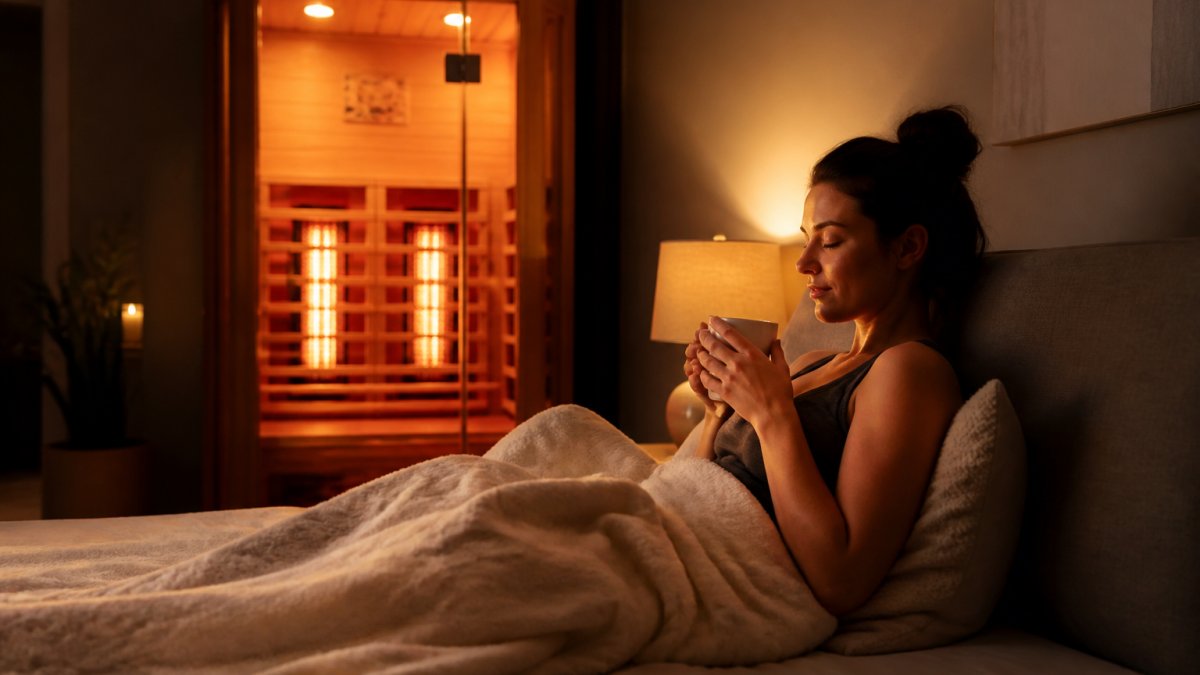
Heat works best for chronic pain and muscle tension. Warm water or infrared sauna therapy increases circulation. More blood flow delivers oxygen and nutrients. Muscles relax. Stiffness decreases. This supports healing in the later stages.
Contrast therapy combines both. You alternate cold and heat. This approach may offer benefits neither delivers alone. Cold reduces swelling. Heat increases blood flow. The alternation stimulates circulation without the risks of extreme cold.
Many athletes now prefer contrast therapy to cold-only protocols. The evidence suggests this approach supports recovery better than cold alone.
When Cold Water Therapy Helps Your Recovery
Cold water therapy delivers real benefits in specific situations. Understanding when to use it separates smart recovery from wasted effort.
Cold water immersion works best after intense, high-impact exercise. Running, jumping, and heavy strength training cause microscopic muscle damage. Cold water reduces the resulting soreness and swelling. You recover faster and return to training sooner.
Cold water therapy helps with acute injuries. A sprained ankle, strained muscle, or minor impact injury responds well to cold. The first 48 hours are critical. Cold reduces swelling and pain during this window.
Athletes recovering from car accidents benefit from cold water therapy combined with other modalities. At FloatWell, we work with MVA recovery patients. Cold water immersion manages pain while you heal.
Cold water therapy is less effective for chronic pain conditions. Ongoing pain from arthritis or old injuries doesn't respond as well to cold. Heat and other modalities often work better for chronic issues.
The evidence shows cold water immersion reduces pain and swelling in the short term. Whether it improves long-term outcomes remains unclear. Use it as part of a comprehensive recovery plan, not as a standalone solution.
Cold water therapy reduces swelling and pain through vasoconstriction and temporary nerve numbing. It works best for acute injuries and post-workout soreness in the first 48 hours. However, cold water therapy is not a cure for systemic inflammation or chronic pain conditions. The evidence shows clear benefits for managing localized swelling and discomfort.
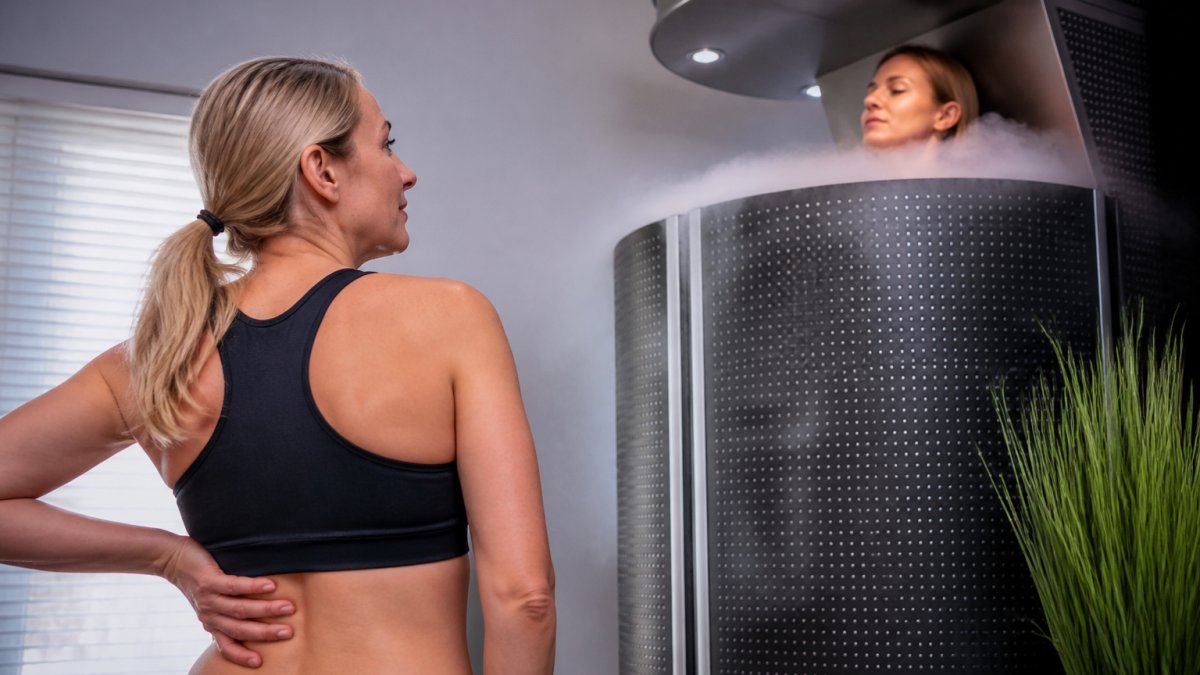
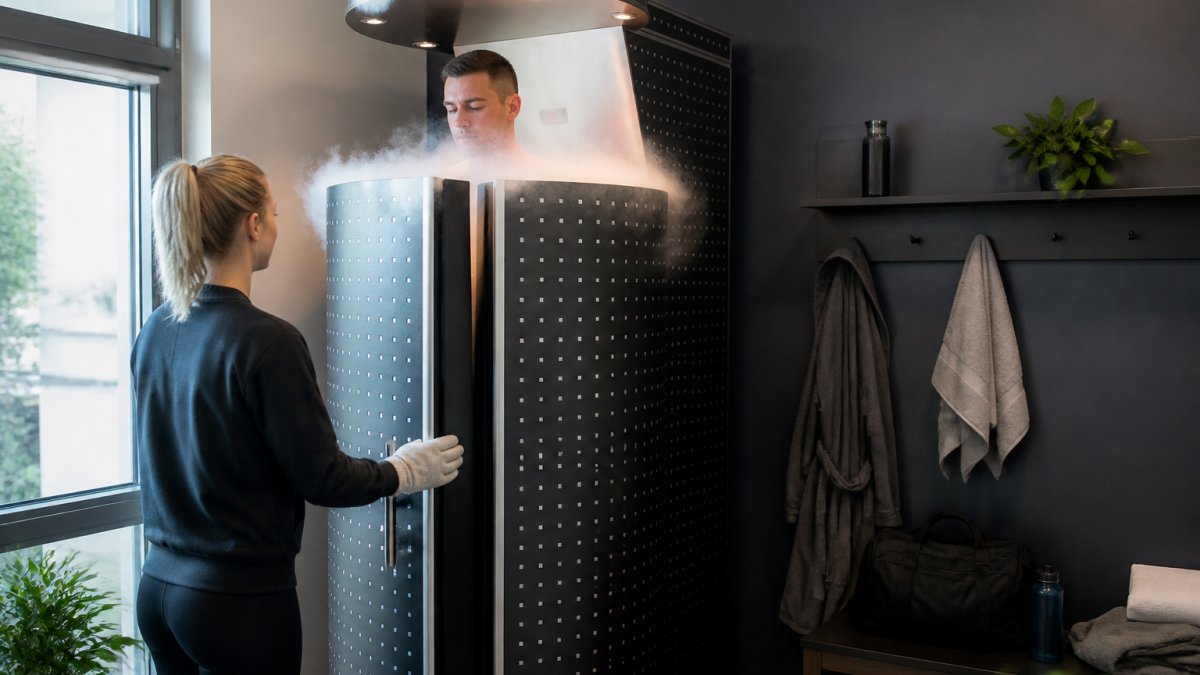
At FloatWell in Vancouver, WA, we combine cold water immersion with float therapy, cryotherapy, and infrared sauna to support your complete recovery. Whether you're recovering from a sports injury, managing pain from a car accident, or seeking performance optimization, our team personalizes your treatment plan. We accept HSA cards and bill MVA insurance directly, making advanced recovery accessible. Book an appointment today to experience how cold water therapy fits into your wellness journey.
Frequently Asked Questions
Does cold water therapy actually reduce inflammation throughout the body?
Cold water therapy produces temporary relief by narrowing blood vessels and reducing blood flow to swollen areas, which decreases edema and pain in the short term. However, this is localized symptom relief rather than systemic inflammation reduction. The inflammatory chemicals and immune response driving whole-body inflammation are not permanently altered by cold exposure. Cold water therapy works best for acute post-workout swelling and muscle soreness, not for chronic inflammatory conditions like arthritis.
How long should you stay in cold water for inflammation relief?
Most research supports 10-15 minutes of cold water immersion at temperatures between 50-59°F for inflammation and soreness management. Durations longer than 20 minutes offer no additional benefit and increase the risk of cold-related injury. Start with shorter exposures of 5-10 minutes if you're new to cold water therapy, then gradually extend as your body adapts. Always exit immediately if you experience uncontrollable shivering or numbness.
Is cold plunge safety a concern for athletes or people with injuries?
Cold water therapy is generally safe for healthy individuals but carries real risks for certain groups. Avoid cold plunges if you have cardiovascular disease, high blood pressure, or a history of cold-induced reactions. Cold exposure can also delay muscle protein synthesis and adaptation if done immediately after strength training, potentially reducing gains. People recovering from acute injuries should consult a healthcare provider before using cold therapy, as premature cold exposure may interfere with the healing process in some cases.
Can cold water therapy make inflammation worse?
In most cases, cold water therapy does not worsen inflammation when used appropriately. However, excessive or prolonged cold exposure can trigger an inflammatory response as the body attempts to rewarm itself. Additionally, if cold therapy is applied too soon after an injury before the initial inflammatory phase completes, it may interfere with the natural healing process. The key is timing: cold works best in the first 48-72 hours after acute injury or intense exercise, not for chronic inflammatory conditions.
Book an Appointment
Comments