Best Cryotherapy Sessions: A 2026 Guide

Updated: Sep 16
Table of Contents
What Is Whole-Body Cryotherapy?
Benefits of Whole Body Cryotherapy for Recovery
How Cryotherapy Works: The Science Behind Cold Therapy
Cryotherapy vs. Infrared Sauna for Muscle Recovery
How Long Should I Use Infrared Sauna With Cryotherapy?
Top Cryotherapy Providers and Session Options
FloatWell: Comprehensive Wellness and Insurance Support
Revive Wellness: Variety of Cryotherapy Types
LUX Cryo & Wellness: Aesthetic and Recovery Focus
Restore Hyper Wellness: Advanced Chamber Technology
The Covery Wellness Spa: Budget-Friendly Entry Point
IceLab Cryo and Wellness: Comprehensive Recovery Suite
Safety, Contraindications, and What to Expect
How to Prepare and Book Your First Cryotherapy Session
Last Updated: August 20, 2026
What Is Whole-Body Cryotherapy?
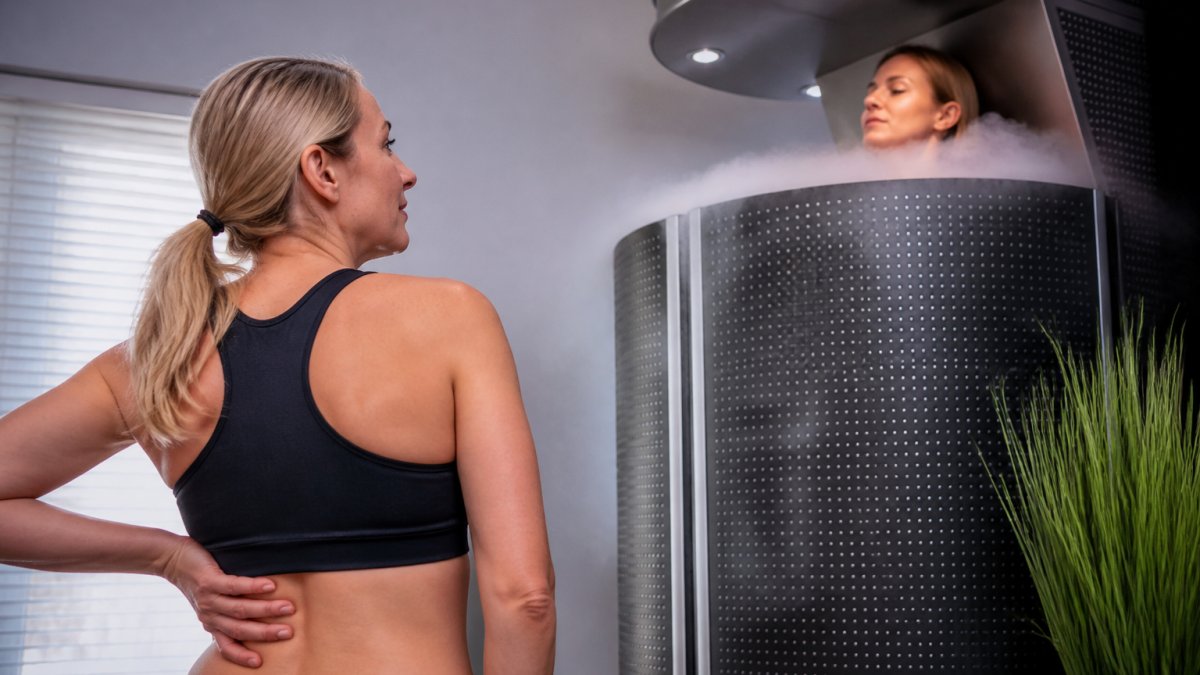
Whole-body cryotherapy exposes your body to extremely cold temperatures, typically between -150°F and -250°F, for 2 to 4 minutes. You stand in a specialized chamber while nitrogen-cooled air circulates around you, activating your nervous system and stimulating blood flow. The cold doesn't freeze your skin; instead, it triggers physiological responses that form the basis of claimed benefits.
At FloatWell, our approach integrates cryotherapy with infrared sauna and float therapy to create comprehensive recovery protocols tailored to your specific needs. Understanding what cryotherapy actually does, and what it doesn't, is essential before committing to regular sessions. Whole-body cryotherapy differs from localized cryotherapy, which targets specific areas like joints or muscle groups; whole-body exposure creates systemic effects, while localized treatments address concentrated pain or inflammation.
Benefits of Whole Body Cryotherapy for Recovery
Whole-body cryotherapy benefits center on three primary mechanisms: inflammation reduction, improved circulation, and nervous system stimulation. When exposed to extreme cold, your body initiates vasoconstriction, blood vessels narrow to conserve core temperature. Upon exiting the chamber, vasodilation occurs as blood vessels rapidly expand, flooding tissues with oxygen-rich blood. This thermal shock effect is where most therapeutic benefit originates.
Athletes use cryotherapy for post-workout recovery because inflammation reduction eases muscle soreness. Cold exposure triggers endorphin release, explaining why many report mood elevation after sessions. Beyond athletic recovery, cryotherapy addresses chronic pain conditions; people with joint pain, fibromyalgia, or arthritis often find relief through regular sessions because the anti-inflammatory response reduces swelling around affected areas.
Pro Tip The most effective use of cryotherapy combines it with active recovery protocols. A session followed by light movement and proper hydration amplifies the benefits.
How Cryotherapy Works: The Science Behind Cold Therapy
When you enter a cryotherapy chamber, sub-zero temperatures trigger your parasympathetic nervous system, which controls your body's stress response. Your skin temperature drops rapidly, but your core temperature remains stable because exposure is brief.
Cold activates cold-sensitive nerve receptors in your skin, sending signals to your brain. Your body responds by constricting blood vessels near the surface to protect your core. The real therapeutic effect comes after you leave the chamber: as rewarming begins, blood vessels dilate aggressively, flooding tissues with oxygenated blood. This vasodilation phase lasts 30 minutes to several hours, depending on session intensity.
Nitrogen-cooled chambers work differently from electric cryotherapy systems. Liquid nitrogen creates faster temperature drops and more intense cold exposure, while electric systems offer more controlled, gradual cooling. Both trigger the same physiological response, but intensity varies. Cryo-stimulation also activates your immune system; brief cold exposure increases white blood cell production, supporting your body's ability to fight infection and recover from stress.
Watch Out Cryotherapy is NOT a substitute for proper sleep, nutrition, or medical treatment. The cold exposure enhances recovery within the context of your overall health habits.
Cryotherapy vs. Infrared Sauna for Muscle Recovery
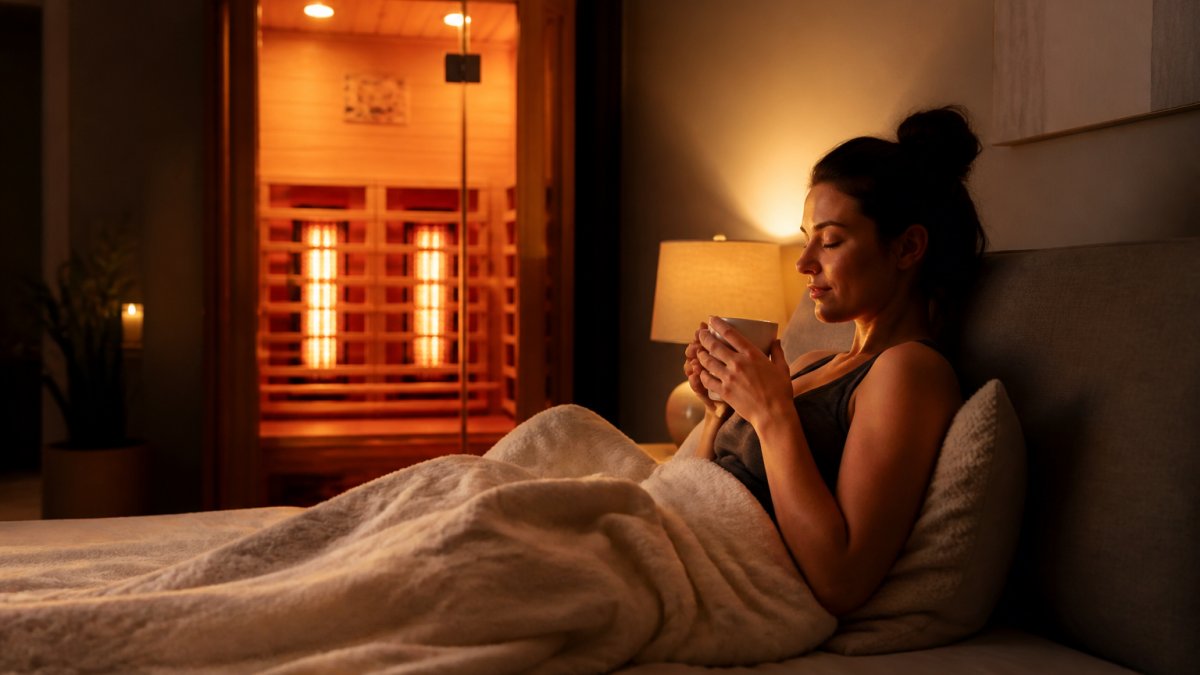
Cryotherapy and infrared sauna address recovery from different angles. Cryotherapy uses extreme cold to trigger inflammation reduction and nervous system activation. Infrared sauna uses heat to increase circulation, promote detoxification through sweating, and relax muscles through sustained warmth.
Cryotherapy delivers immediate, intense stimulation with effects peaking during and shortly after the session. Infrared sauna works gradually; you spend 20-40 minutes in gentle heat, and benefits accumulate through sustained exposure. For muscle soreness, cryotherapy typically provides faster relief. For muscle tension and stress-related tightness, infrared sauna excels because heat relaxes muscle fibers and promotes sustained blood flow. The real advantage emerges when you combine both modalities through contrast therapy, alternating between cold and heat amplifies the benefits of each treatment.
Recovery Goal | Cryotherapy | Infrared Sauna | Best Choice |
Acute muscle soreness | Fast relief | Slower relief | Cryotherapy |
Chronic tension | Moderate help | Excellent relief | Infrared sauna |
Circulation boost | Intense, brief | Sustained, gradual | Contrast therapy (both) |
Stress reduction | Moderate | Excellent | Infrared sauna |
Post-workout recovery | Very effective | Effective | Cryotherapy first, then sauna |
Sleep quality | Minimal direct effect | Significant improvement | Infrared sauna |
How Long Should I Use Infrared Sauna With Cryotherapy?
Optimal infrared sauna duration depends on your experience level and recovery goals. Beginners should start with 15-20 minutes at moderate temperature to allow cardiovascular acclimation. After 2-3 weeks of regular sessions, you can extend to 25-30 minutes as tolerance increases. The sweet spot for most people is 25-35 minutes, long enough to trigger detoxification and muscle relaxation, short enough to avoid excessive fluid loss.
When combining cryotherapy with infrared sauna, timing matters significantly. A typical protocol: cryotherapy session (3-4 minutes) followed by infrared sauna (25-30 minutes). Frequency recommendations vary by recovery needs. Athletes doing intense training might use both modalities 2-3 times weekly. Recreational users see benefits from 1-2 sessions per week. Beginners should start with once weekly to assess how their bodies respond.
Key Takeaway The combination of cryotherapy and infrared sauna is more effective than either alone, but consistency matters more than duration.
Top Cryotherapy Providers and Session Options
Finding the right cryotherapy provider means evaluating equipment quality, staff expertise, and complementary services.
FloatWell: Comprehensive Wellness and Insurance Support
FloatWell stands out as a choice for residents seeking integrated recovery solutions with practical financial accessibility. Beyond whole-body cryotherapy and localized treatments, FloatWell offers contrast therapy, pairing cryotherapy sessions with infrared sauna for amplified benefits. The facility specializes in evidence-based recovery techniques, and their staff provides guided sessions ensuring safety and effectiveness.
What sets FloatWell apart is their commitment to accessibility. They accept HSA cards, making treatments eligible for pre-tax health spending accounts. For individuals recovering from car accidents, FloatWell bills MVA insurance directly, removing the financial barrier many face during recovery. This insurance integration is rare among wellness providers.

The facility offers both whole-body cryotherapy (2-4 minutes in a controlled cold chamber) and localized treatments targeting specific joints or muscle groups. Staff members guide you through proper preparation and explain what to expect during sessions, crucial for first-time users anxious about extreme cold exposure. FloatWell's integrated approach means you can book a cryotherapy session, follow it with infrared sauna time, and potentially add float therapy, all in one visit.
Best For Anyone in the area recovering from car accidents seeking insurance coverage, athletes wanting comprehensive recovery support, and individuals interested in combining multiple modalities for maximum benefit.
Revive Wellness: Variety of Cryotherapy Types
Revive Wellness offers FreezeFit whole-body sessions lasting 3 minutes, Shine Bright cryo facials, and Chill Spot localized treatments for specific pain points with 10-minute sessions. Pricing for Revive Wellness starts at $35 per session.
LUX Cryo & Wellness: Aesthetic and Recovery Focus
LUX Cryo & Wellness combines cryotherapy with aesthetic treatments like Cryo T-Shock for body contouring and fat reduction. Their service menu includes whole-body cryotherapy, cryo facials, spot treatments, plus red light therapy and compression services. This integration appeals to people seeking both recovery and aesthetic improvements.
Restore Hyper Wellness: Advanced Chamber Technology
Restore operates proprietary 2COOL and 4COOL chambers calibrated to optimal temperatures between -150°F and -166°F. Their equipment offers three intensity levels: beginner, intermediate, and advanced, helping new users acclimate safely while allowing experienced users to push their tolerance. Combining cryotherapy with other Restore services like IV drip therapy and compression creates comprehensive recovery protocols for serious athletes.
The Covery Wellness Spa: Budget-Friendly Entry Point
The Covery offers an introductory offer of three cryotherapy sessions for $70. Individual sessions are available at $29 per session.
Pro Tip If you're new to cryotherapy and uncertain whether it's worth regular investment, start with The Covery's introductory package.
IceLab Cryo and Wellness: Comprehensive Recovery Suite
IceLab offers whole-body cryotherapy at -250°F. The facility also offers Cryo Sculpting for cosmetic fat reduction, medical-grade red light therapy, infrared sauna, and Normatec compression therapy. This comprehensive approach appeals to serious athletes and individuals committed to optimizing recovery.
Safety, Contraindications, and What to Expect
Cryotherapy is generally safe for most people, but specific medical conditions contraindicate treatment. Extreme cold exposure can be dangerous for individuals with uncontrolled high blood pressure, recent heart events, or severe Raynaud's syndrome. Pregnancy is another contraindication; the physiological stress of extreme cold exposure isn't appropriate during pregnancy.
People with open wounds, severe skin conditions, or active infections shouldn't use cryotherapy until those conditions resolve. Similarly, individuals with numbness or reduced sensation in extremities face increased risk because they can't detect if their skin is being damaged by extreme cold.
What to expect during your first session: you'll enter a pre-chamber to acclimate, then move into the main cryo-chamber. The extreme cold is initially shocking; trained staff will coach you to breathe normally and relax. After 2-3 minutes, you exit and your body begins rewarming. The rewarming process is where most people feel the benefits, tingling, increased energy, and mood elevation.
Post-session recovery matters. Avoid intense exercise immediately after cryotherapy; your muscles are primed for recovery, not additional stress. Light movement and proper hydration maximize benefits. Most people feel effects for 4-8 hours post-session. Side effects are typically minimal: temporary numbness, mild skin redness, and occasional dizziness during rewarming.
Watch Out Do NOT attempt cryotherapy if you have uncontrolled high blood pressure, recent cardiac events, severe Raynaud's syndrome, active infections, or open wounds. Consult your physician before starting if you have any chronic health conditions or take medications affecting circulation.
How to Prepare and Book Your First Cryotherapy Session
Preparing for cryotherapy requires minimal effort but following these steps maximizes your experience. Avoid intense exercise for 2-3 hours before your session; your muscles need to be in recovery mode. Hydrate well the day before and the morning of your session, as your body loses fluid during cold exposure.
Wear comfortable clothing to your appointment because you'll change into session attire provided by the facility. Remove all metal jewelry and piercings; metal conducts cold and can cause discomfort or minor frostbite risk. Dry your skin thoroughly before entering the chamber, as moisture on skin accelerates cold transfer and increases discomfort.

Booking your first session is straightforward. Contact your chosen provider and schedule an appointment. Most providers ask about your health history and recovery goals during booking. Arrive 10-15 minutes early to complete intake paperwork and discuss your goals with staff. First-time users benefit from staff guidance on breathing techniques and what to expect.
After your first session, monitor how your body responds. Some people feel energized; others feel fatigued as their bodies process the recovery stimulus. This variability is normal. For ongoing sessions, consistency matters more than intensity. Two moderate sessions weekly outperform sporadic intense sessions. Schedule appointments at the same time weekly if possible; your body adapts to routine, and you'll see compounding benefits over 4-6 weeks of regular use.
Cryotherapy works best as part of a comprehensive recovery strategy, not as a standalone treatment. Whether you're recovering from a car accident, managing athletic training stress, addressing chronic pain, or seeking general wellness improvement, the right provider makes the difference. FloatWell's integrated approach, combining cryotherapy with infrared sauna, float therapy, and insurance accessibility, positions it as a strong choice for most recovery needs. Start with your health goals, assess which provider aligns with those goals, and commit to consistent sessions. The benefits compound over time, but only if you follow through.
Frequently Asked Questions
Is cryotherapy covered by insurance or HSA/FSA funds?
Coverage depends on your specific insurance plan and whether cryotherapy is prescribed for medical recovery. Some plans may cover it for post-injury rehabilitation. HSA and FSA cards can often be used for wellness services at facilities that accept them. FloatWell accepts HSA cards and bills MVA insurance for those recovering from car accidents. Contact your insurance provider or FloatWell directly to confirm coverage for your situation.
How often should you go to cryotherapy sessions for optimal results?
Frequency varies based on your goals and recovery needs. Athletes may benefit from sessions 2-3 times per week, while those managing chronic pain might start with 1-2 sessions weekly. Most providers recommend starting with an initial series before reducing frequency. A trained staff member at your chosen facility can recommend a personalized schedule based on your specific recovery needs and response to treatment.
What are the potential risks or negatives of cryotherapy?
While generally safe for most people, cryotherapy carries some risks. Exposure to extreme cold can cause skin irritation, frostbite if safety protocols aren't followed, or temporary numbness. People with certain medical conditions should avoid cryotherapy entirely. Always inform your provider of any health concerns, medications, or conditions before your session. Trained staff and proper safety guidelines minimize these risks significantly.
What is the difference between whole-body cryotherapy and localized cryo?
Whole-body cryotherapy exposes your entire body to sub-zero temperatures in a chamber for 2-4 minutes, targeting systemic inflammation and overall recovery. Localized cryotherapy applies cold therapy to specific areas like joints or muscles for 10-15 minutes, providing targeted pain relief and inflammation reduction. Whole-body sessions offer broader metabolic and circulatory benefits, while localized treatments address specific problem areas more intensely.
Book an Appointment
This article was written using GrandRanker

Comments